Clear aligners, no brackets
Clear aligners. Nobody will notice.
Most people come for the way it looks, but the technique also buys you health: better chewing, less wear and far easier brushing.

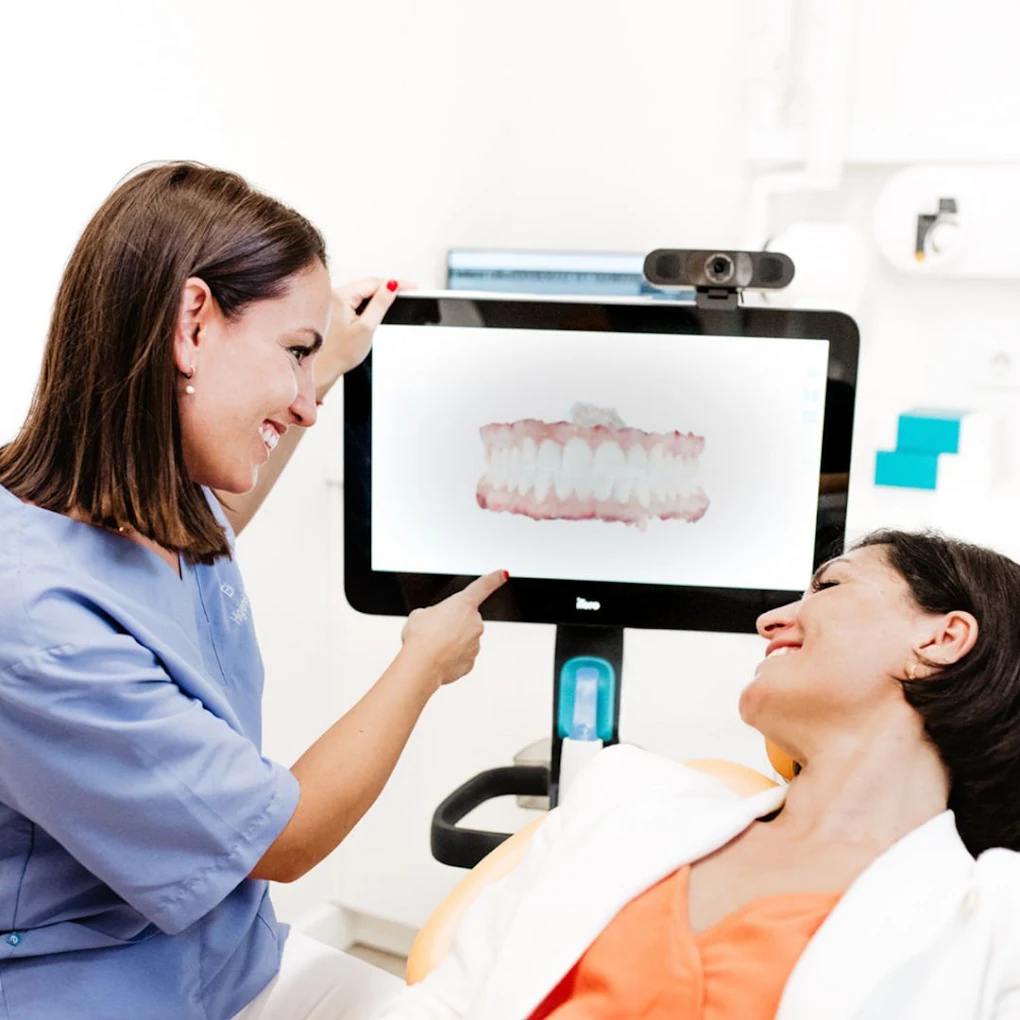
How to get the smile you have always wanted, and gain in health
What is Invisalign?
Invisalign aligners are clear trays made from a medical-grade thermoplastic, built to the exact shape of your teeth so they gradually take the position the orthodontist has planned. After a thorough study, the specialist draws up a treatment plan with the movements needed. That becomes a set of aligners you swap every week or every ten days, as prescribed.
1.632
Invisaligns completed
2.862
orthodontic patients
What you gain
- Proper chewing and better digestion
- Less tooth wear, with forces spread more evenly
- Less bruxism, and less back, head, ear and jaw pain
- Easier brushing, which cuts the risk of decay and gum disease
- A mouth ready for later work: implants, restorations or gum grafts
- Help with speech problems. We sometimes work alongside speech therapists
Orthodontic treatments



A real case from the practice
Patients of the clinic, photographed before and after. Move the handle to see the change.
See every case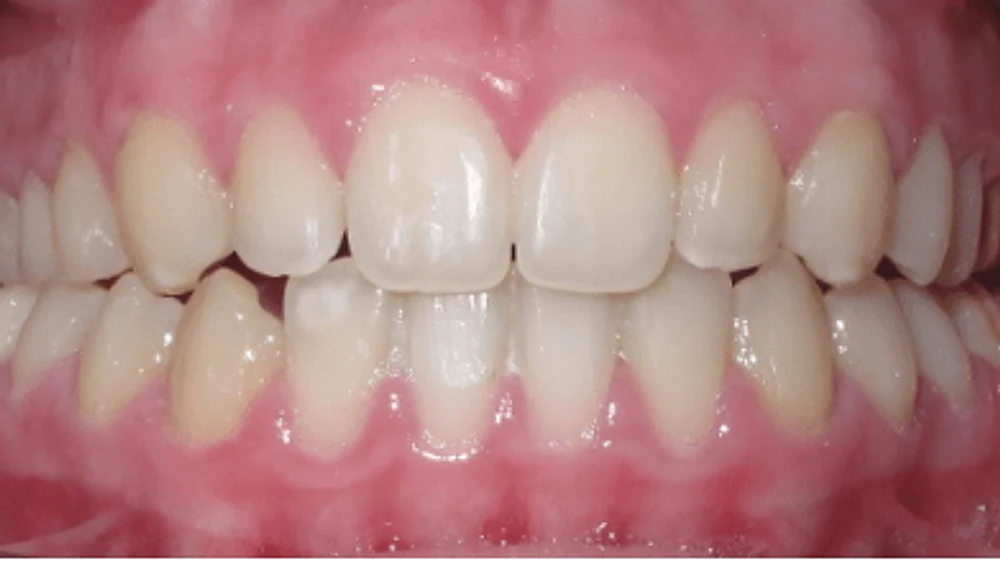
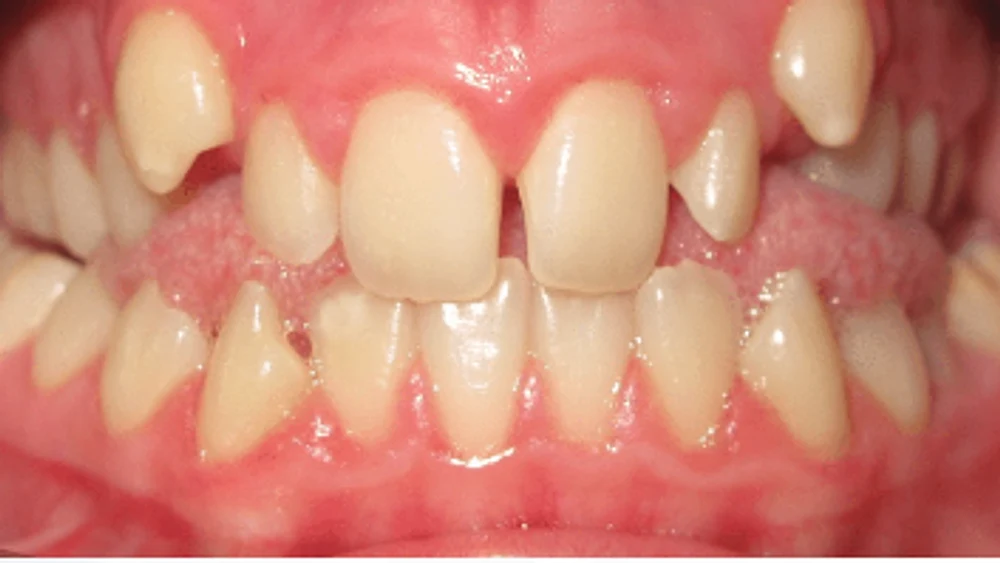 Before
Cases treated at the practice. Every clinical photograph is published with the patient's written informed consent. Results vary from case to case.
An Invisalign treatment, step by step
- 1
First visit
The orthodontist assesses the case and advises on the best treatment. We talk with you to understand your needs and expectations.
- 2
Taking records
We use the digital scanner, so there are no uncomfortable silicone impressions.
- 3
Clincheck
The simulation of the tooth movement. You can go back to your orthodontist to see how your teeth will end up.
- 4
Aligners delivered
Once the study is done and the goal is clear, we order the invisible aligners.
- 5
Attachments fitted
Small raised points placed on some teeth to help them move.
- 6
Check-ups
How many depends on the movements and the stage of treatment. Thanks to Dental Monitoring, many of them happen from home.
- 7
Additional aligners
If we have not reached the original goal, we take records again to get the result we want.
- 8
Retention
Teeth have a memory and tend to drift back. That is why we fit retainers, removable or fixed.
What people ask us before coming in
Not finding your question? Message us on WhatsApp and we will answer it.
WhatsAppIs invisible orthodontic treatment painful?
You may feel some discomfort, mostly in the first few days, when the teeth begin to move. One of the great advantages of aligners is that they do not cause the sores and cuts that brackets do.
How long will my treatment take?
A specialist has to judge that, because it depends on where your teeth start from.
Can I eat anything?
Yes. Because the aligners are removable, you can eat whatever you like.
Are they hard-wearing?
They handle the forces needed to move teeth perfectly well. Patients who grind at night have no trouble, because the aligners are changed every one or two weeks.
Is it a treatment for everyone?
Almost any malocclusion can now be treated with clear aligners, in adults and children alike, but it must always be the orthodontist who judges each case.
How often will I have to come in?
Usually every one or two months, depending on the movements and the stage of treatment. With Dental Monitoring part of the follow-up happens remotely.
What is the difference between the invisible orthodontics brands?
The pioneering brand is Invisalign, and it is the one we use in every case. No technique treats the patient on its own: the orthodontist does the treatment, which is why choosing a good one matters so much.
Other treatments
Have you been putting it off?
That is fine. Call us, message us, or send three photos. We will look and tell you what we see, with no obligation.